Setting the Bar for Investor Success
In the high-stakes world of real estate investment, the difference between a high-performing asset and a vacant property often comes down to one critical variable: rental pricing. For realtors representing investor clients, the challenge is not just finding a property that fits a budget, but ensuring that the projected income is realistic, sustainable, and aligned with current market conditions. When markets are emerging or shifting, relying on anecdotal evidence or last year's rent rolls can lead to significant misalignment in cash flow expectations.
This is where Fair Market Rent (FMR) data analysis becomes an essential pillar of your professional toolkit. By moving beyond simple "gut-feeling" pricing, realtors can provide a scientific layer of verification to their clients. FMR data offers a foundational baseline, allowing you to compare potential rental income against verified regional benchmarks. When you integrate this data into your client conversations, you shift from being a transaction facilitator to being a trusted strategic advisor.
The Real-World Challenge: Navigating Market Uncertainty
Many realtors find themselves in a bind when investors ask, "What can this unit really rent for?" The temptation is to look at a few active listings on public portals, but those listings represent asking prices, not actual market performance. If an investor overestimates rent by even a small margin, it can jeopardize their ability to cover expenses, potentially leading to long-term financial strain. Conversely, setting prices too low leaves money on the table and lowers the property's potential cap rate.
Investors are increasingly sophisticated, and they expect their agents to offer more than just listing access. They want clarity on how a property fits into the broader economic landscape of the neighborhood. Using micro-market rental demand analysis for investors can help you validate these targets by isolating localized trends that broader city-wide averages often miss, ensuring your pricing strategy is grounded in hyper-local realities rather than surface-level data.
Why FMR Data Matters for Your Bottom Line
FMR serves as an objective standard. Because it is calculated based on housing data, it offers a reliable, third-party reference point that removes emotion from the negotiation. For realtors, having this data on hand means you can quickly "sanity check" an investor's assumptions. If an investor insists on a rental price that is significantly above the FMR for that zip code, you have a data-backed foundation to discuss why that target might be overly ambitious without appearing obstructive.
Furthermore, understanding how these benchmarks correlate with regional housing policy allows you to advise clients on wider opportunities, including government-subsidized programs. When you provide this depth of insight, you increase your perceived value significantly. You aren't just selling a property; you are providing a risk-mitigation service that helps them evaluate their long-term position in the market.
Scaling Your Advisory Services
As you grow your investor roster, manual data gathering becomes impossible. Automating your workflow allows you to focus on high-level strategy rather than spreadsheets. Understanding the nuances of cash-on-cash return analysis for brokerages is a perfect next step for agents who want to prove their value by showing how price adjustments directly impact an investor's yield calculations.
Ready to transform how you present opportunities to your clients? Analyze a Property for Your Client and start using real data to drive your next deal.
Integrating Data into Your Workflow
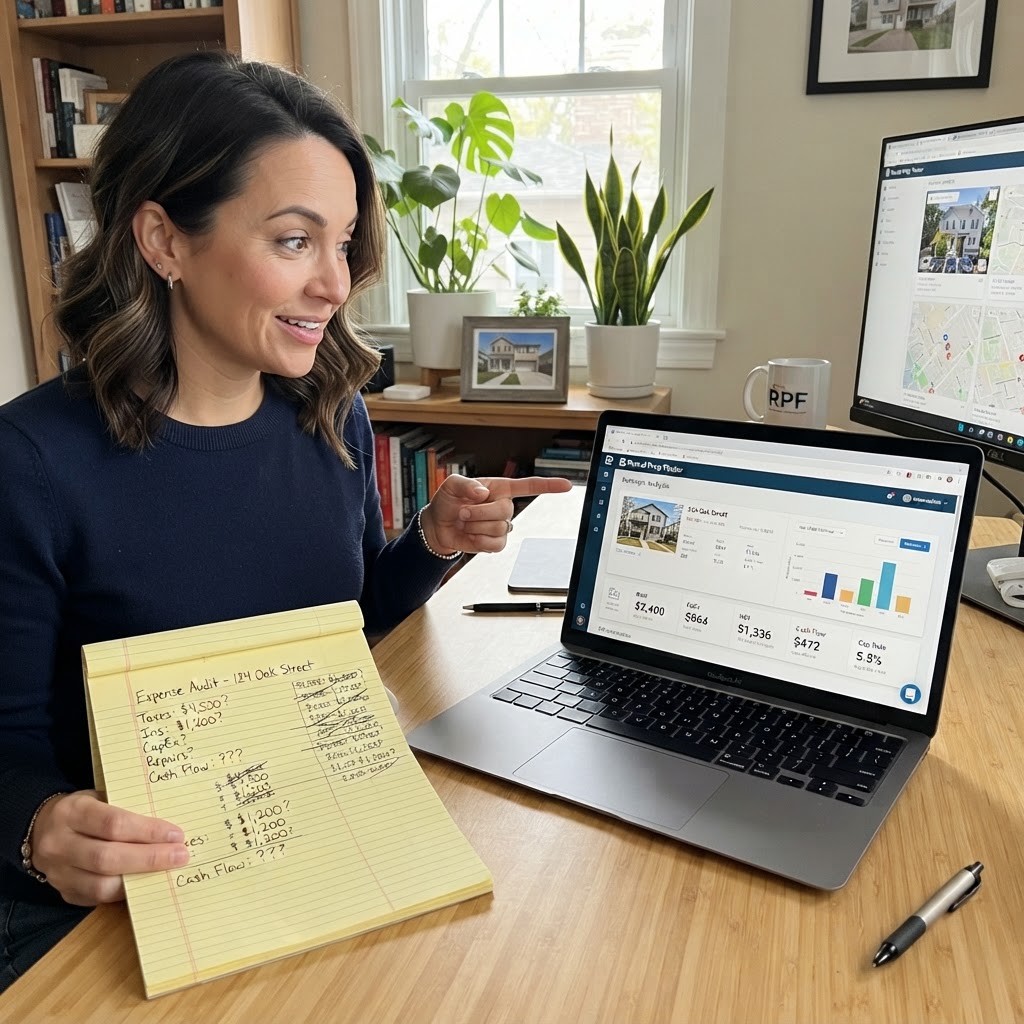
A professional workflow for an investor-focused realtor should involve a standard data verification step. Before presenting a pro-forma to a client, perform a quick audit of the local FMR. Is the client’s projected rent reasonable relative to the local benchmark? If not, investigate why. Is the property renovated significantly above the area average? Is it in a niche location that attracts a specific tenant demographic? These are the conversations that build long-term trust.
When you use these insights effectively, you can:
- Identify properties that are currently undervalued.
- Advise clients on potential rent increases after minor value-add renovations.
- Filter out "bad deals" that rely on unrealistic rent assumptions early in the process.
- Strengthen your position as an expert in specific metro areas.
The Role of Technology in Market Calibration
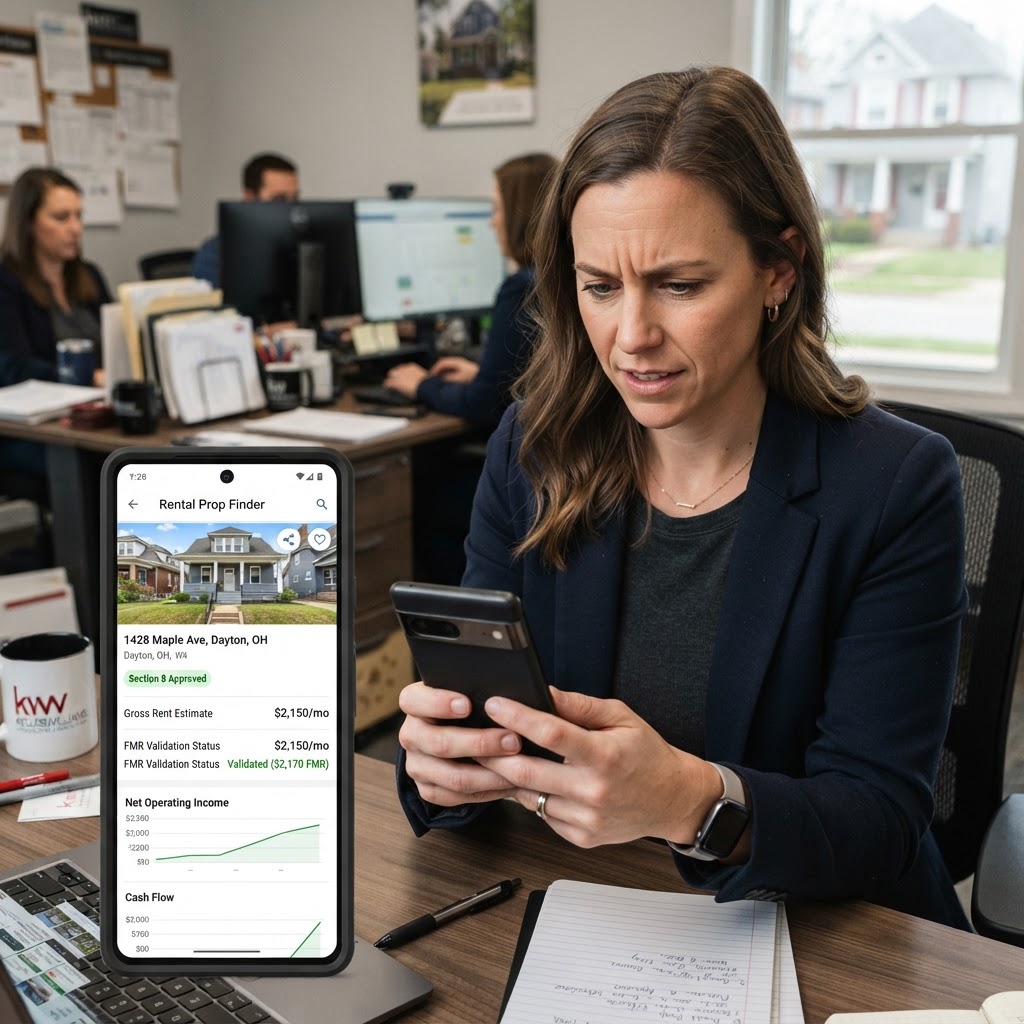
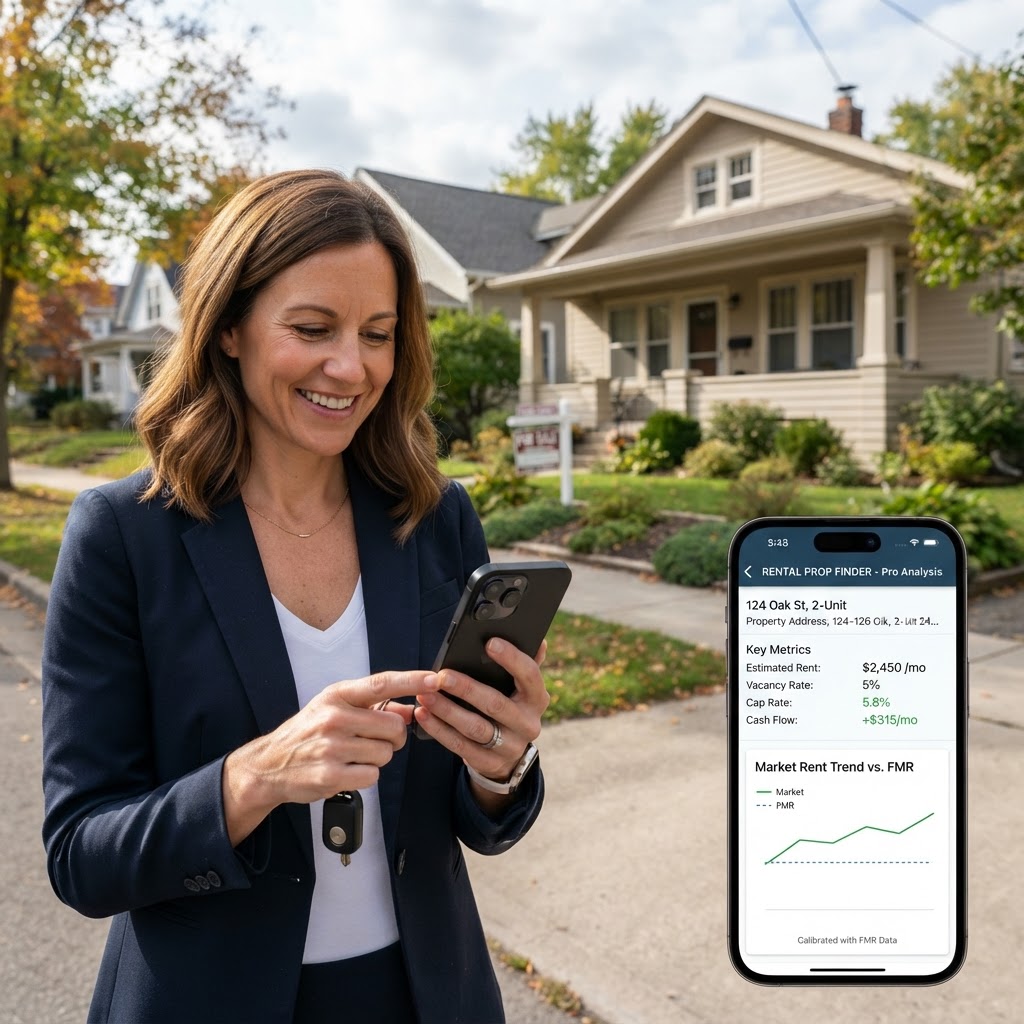
Technology, such as Rental Prop Finder, streamlines the process of aggregating this data. Instead of scouring multiple municipal websites or relying on static PDFs, you can access current rental property analysis, including FMR and Section 8 data, within a single dashboard. This allows you to "stress test" a property's performance under different rent scenarios, giving your clients the transparency they need to make confident investment decisions.
Final Recommendation
To truly thrive as an investor-focused realtor, stop guessing and start measuring. Incorporate Fair Market Rent data analysis into your standard property review process. By providing your clients with data that verifies their income potential, you reduce their perceived risk and increase your value as their primary point of contact for all future acquisitions. Remember that these tools help evaluate potential; always encourage your clients to verify current local listings and physical property conditions independently as part of their final due diligence.
Build Your Investor Deal Pipeline
Disclaimer: Rental Prop Finder provides data for analytical purposes to help you evaluate potential investments. All figures provided are estimates based on available market information and should not be considered guarantees of future performance, rental income, or positive cash flow. Investors should conduct their own independent due diligence and verify all assumptions before making financial decisions.