The Art of the Strategic Exit
For many real estate investors, the buy-side is the glamorous part of the job. But experienced investors and the realtors who serve them know that true wealth building isn't just about accumulation; it is about rigorous, data-backed pruning. A rental portfolio is a living, breathing financial entity that requires periodic evaluation to ensure every asset is pulling its weight. Without a clear rental portfolio rebalancing strategy for realtors, investors often find themselves holding onto 'zombie assets'—properties that consume time, capital, and mental energy without delivering the expected market-adjusted returns.
Realtors who want to differentiate themselves from the transactional masses must transition into the role of a strategic investment advisor. By leveraging technology to monitor portfolio health, you can move from merely helping a client close a deal to managing the long-term lifecycle of their entire investment enterprise. This shift allows you to proactively recommend divestment or 1031 exchanges long before an investor realizes their cash-on-cash return has cratered.
Understanding the Drag on Performance
Why do rental portfolios underperform over time? It is rarely a sudden collapse; rather, it is usually a slow erosion caused by changing market dynamics, aging physical assets, and shifting tenant demographics. When an investor’s portfolio grows organically without a systematic review process, the individual properties often drift away from the investor’s original financial goals.
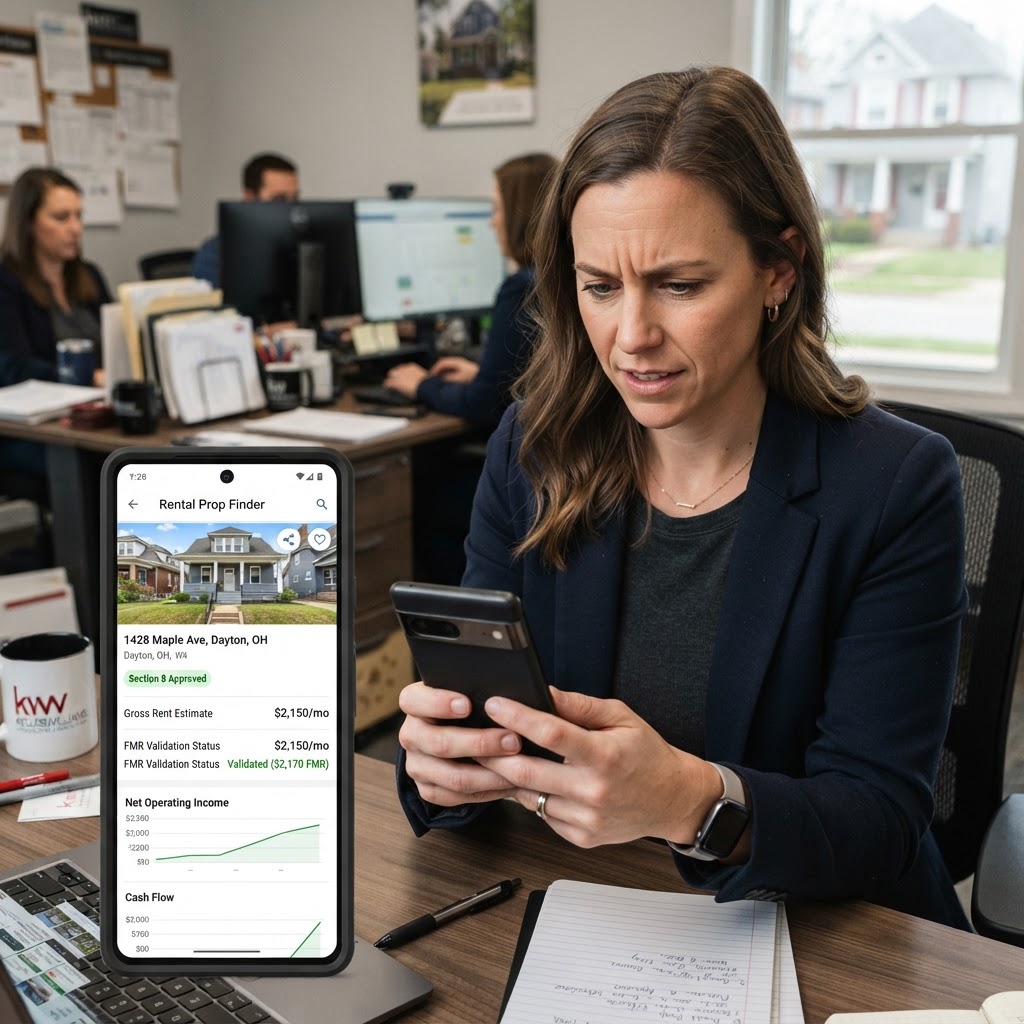
For example, an asset that provided a 10% cash-on-cash return five years ago may now be struggling with rising property taxes, increased insurance premiums, and deferred maintenance costs that weren't captured in the original underwriting. When realtors use automated portfolio rental health reporting for realtors, they can visualize this performance decay in real-time, helping clients make data-driven decisions about when to sell.
The Role of Automated Performance Dashboards
Manual spreadsheets are the enemy of effective portfolio management. They are prone to error, difficult to scale, and almost always outdated by the time they are finalized. Automated dashboards change the paradigm by aggregating real-time rent benchmarks, expense ratios, and market data into a single, cohesive view. By pulling in metrics like current ZORI (Zillow Observed Rent Index) data or neighborhood-level expense benchmarks, these tools highlight discrepancies between a property’s actual performance and its potential market performance.
These platforms do not just tell you that a property is doing 'okay'—they show you exactly how it compares to its peers in the same submarket. This allows you to identify specific pain points. Is the vacancy rate higher than the local average? Is the expense ratio inflated due to inefficient property management? Having these answers at your fingertips gives you the leverage to have difficult conversations with your clients about selling or reinvesting.
Establishing the Rebalancing Threshold
Not every property that underperforms needs to be sold immediately. A successful rebalancing strategy relies on setting clear, pre-defined 'stop-loss' or 're-evaluate' triggers. These might include a Debt Service Coverage Ratio (DSCR) falling below a certain threshold, a cap rate that has compressed below local market averages, or rental income that has failed to keep pace with inflation over a 24-month period.
When you establish these criteria, you turn an emotional decision—'should I sell this house?'—into a logical business process. If a property hits the 'sell' trigger based on the data, the decision is already made. To get a better sense of how market shifts affect these decisions, consider how metro-level rental supply-demand equilibrium analysis can reveal if a market itself is turning, necessitating a broader exit strategy.
Ready to elevate your advisory services? See How Rental Prop Finder Helps Realtors track portfolios and identify divestment opportunities.
Executing the Divestment Workflow
Once an underperforming asset is identified, the next step is execution. As a realtor, your value lies in identifying the highest and best use for the property. Is it a candidate for a light renovation to boost rents? Or is it best sold to an owner-occupant, potentially netting a higher price than a traditional investment sale?
By running a comparative analysis through an automated platform, you can model the tax consequences and potential reinvestment outcomes for your client. This is where you justify your commission not just through sales volume, but through the professional guidance that preserves your client’s capital and optimizes their tax position through strategic liquidation.
Building Long-Term Investor Loyalty
When you consistently monitor your clients' portfolios, you aren't just an agent; you are an essential business partner. Rebalancing is a constant process of optimization. By guiding your investors through the inevitable cycles of the market, you ensure that their capital is always working as hard as possible. This approach naturally leads to repeat business, as your clients will view you as a source of market intelligence rather than just a person who opens doors.
Ultimately, the goal of any robust rebalancing strategy is to ensure that the investor’s net worth continues to grow regardless of market conditions. By using the right tools to identify when an asset has served its purpose and when it is time to move on, you become the indispensable expert in your investors' corner.
Final Recommendation
Stop relying on guesswork and manual tracking for your investor clients. Implement an automated dashboard approach to audit their portfolios annually or semi-annually. Use this data to start conversations about market shifts, asset performance, and strategic divestment. By being proactive, you provide a level of service that turns a one-time transaction into a lifelong investment partnership.
Build Your Investor Deal Pipeline
Disclaimer: All financial projections and market data are based on available information and market trends. These estimates are not guarantees of future performance, profitability, or successful divestment. Investors and realtors should verify all data points independently before making significant financial decisions.