If a property rents for $2,300 per month but costs $425,000, the asking price alone tells you almost nothing about whether it's a good rental. Investors rely on their agents to bridge the gap between listed asking prices and actual, sustainable rental income. When you present an investment opportunity, the accuracy of your revenue projection is the foundation of the entire deal. Relying on gut feeling or listing-agent optimism is the fastest way to lose investor trust.
The Real Challenge of Income Forecasting
Most investors are wary of "pro forma" rent estimates that seem too good to be true. When a realtor presents a deal, the immediate question from a sophisticated buyer is, "How did you arrive at that number?" If you cannot explain the methodology, the deal loses credibility regardless of how attractive the cash flow looks on paper.
Using a single data point—like the current tenant's lease—is rarely enough. You need to triangulate the market reality by comparing diverse datasets. Fair Market Rent (FMR) benchmarks provide one piece of the puzzle, acting as a structural floor or a reference point for local market standards, while private-sector metrics provide the ceiling.
Why FMR Benchmarks Matter for Professional Analysis
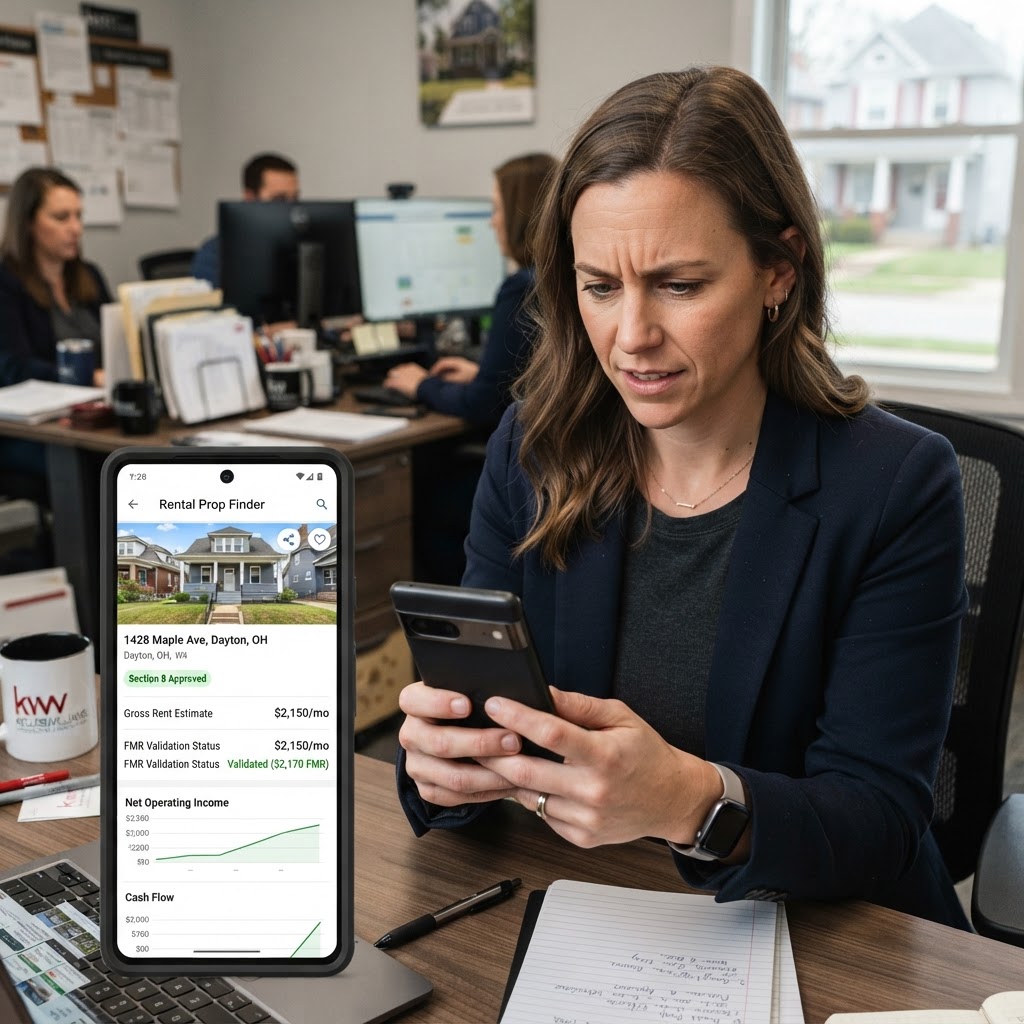
Fair Market Rent data is valuable because it is standardized and updated annually. While it does not represent the "market maximum" in high-demand urban areas, it serves as an essential sanity check for your income projections. If your projected rents are significantly higher than the FMR without a clear rationale—such as recent high-end renovations or unique property amenities—investors will rightfully question your assumptions.
Incorporating these benchmarks into your rental property comparison tools allows you to demonstrate that your projections are anchored in objective, third-party data rather than just hope.
Creating a Balanced Rental Income Projection
To build a defensible projection, start by gathering multiple data layers. First, look at the local FMR to understand the floor. Second, compare this against real-time market data, such as Zillow Observed Rent Index (ZORI) or similar private-sector benchmarks, to see where the market is actually trading.
Finally, apply your local expertise regarding the specific neighborhood. Is the property in a pocket with high school district demand? Are there upcoming infrastructure projects? Balancing these qualitative insights with quantitative benchmarks creates a robust, professional narrative that helps your clients feel confident in their purchase decisions.
The Importance of Comparative Analysis
When you assess a property, you aren't just analyzing four walls and a roof; you are assessing a cash-generating asset in a specific micro-market. Using market rent calculators allows you to identify whether a property is under-earning. If the property’s current rent sits well below both FMR and prevailing market comparables, you’ve discovered an immediate value-add opportunity for your investor.
Ready to elevate your client presentations? Create Investor-Ready Property Reports with Rental Prop Finder to showcase your data-backed insights.
Integrating Data into Your Workflow
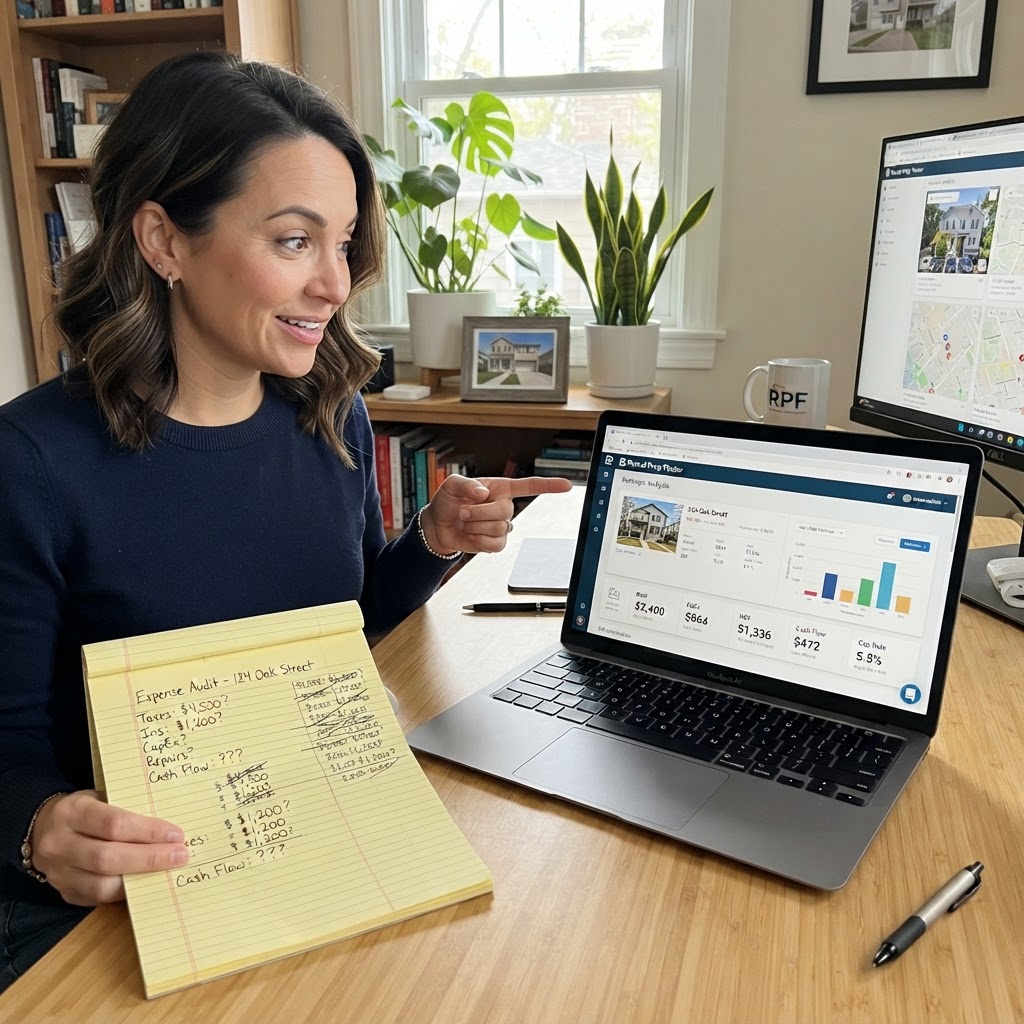
Data is only as useful as your ability to present it. Realtors who thrive in the investment space do not just send emails with Zillow links; they provide standardized, clear, and comprehensive deal reports. When you consistently provide data that includes market comparisons, FMR benchmarks, and calculated cash flow metrics, you position yourself as a consultant rather than just a transaction coordinator.
Rental Prop Finder simplifies this by providing a unified interface where you can pull rent benchmarks, analyze cash flow, and generate reports in minutes. By consolidating this data into a single, clean output, you save time and eliminate the manual process of cross-referencing multiple disparate websites.
Moving Beyond the Spreadsheet
Spreadsheets are prone to errors and are difficult for clients to read. When your analysis lives in a specialized platform, the output is consistent across every deal you present. This builds brand equity; your investors will begin to expect the same high level of professional reporting every time they work with you.
It is important to remember that all rental estimates are projections based on historical performance and market trends. No tool can guarantee future outcomes. Your role as an advisor is to provide the most accurate, data-backed estimates possible, then empower the investor to perform their own due diligence.
Final Recommendation for Investor-Focused Realtors
Stop relying on basic assumptions. By combining standardized FMR data with competitive market analysis, you move from a salesperson to a trusted investment advisor. Whether you are helping a first-time investor get their feet wet or managing a portfolio for a veteran buyer, the clarity of your data is your greatest asset. Use a centralized platform to manage these inputs, standardize your presentations, and stop guessing on income potential.
Create Investor-Ready Property Reports
Note: Rental projections and market metrics are for informational purposes and should not be considered financial advice or guarantees of future performance. Investors should conduct their own independent due diligence.
Important Disclaimer
Rental Prop Finder provides property and rental market data for informational and analytical purposes. Estimates and projections are not guarantees of rent, cash flow, financing, occupancy, or investment performance. Users should independently verify property details, expenses, local regulations, and financial assumptions before making an investment decision.