The Shift Toward Proactive Asset Management
In the competitive world of property management, the difference between a high-performing portfolio and a struggling one often comes down to the timing of capital improvements. Many managers find themselves caught in a reactive cycle, where maintenance and upgrades are only addressed when equipment fails or tenant turnover triggers a code violation. This approach rarely aligns with market trends or investor financial goals, leading to unnecessary downtime and missed revenue opportunities.
Today, forward-thinking property managers are adopting a new standard: AI-driven rental yield forecasting for property managers. By integrating predictive analytics into their operational workflows, managers can move away from "break-fix" maintenance toward a strategic, data-backed approach. This allows you to forecast exactly when a property might see a shift in rental demand, enabling you to coordinate capital improvements (CapEx) when they are most likely to yield the highest return on investment.
The Real-World Friction of Traditional Maintenance
The primary frustration for most investors—and subsequently their property managers—is the "surprise" expenditure. When an HVAC system dies in mid-summer or a roof begins to fail, the investor is forced to spend capital immediately, often during a period of market instability or low cash flow. When managers rely purely on intuition or historical calendar cycles, they frequently miss the window to optimize their assets ahead of market shifts.
Understanding the nuanced relationship between localized rental rates and property condition is essential. A property that is lagging behind its neighbors due to outdated appliances or finishes will struggle to command premium rents, even in a thriving market. Without a clear data-driven roadmap, it is difficult to convince investors that spending capital on specific upgrades now will result in significantly improved yield projections over the next three to five years.
Why Predictive Planning Matters for Investor Retention
Investor retention is heavily tied to your ability to protect and grow their bottom line. When you present an investor with a budget proposal, it needs to be grounded in more than just maintenance necessity; it needs to be backed by projected financial outcomes. Utilizing tools that provide deep insights helps you build trust, proving that your management decisions are aimed at long-term growth rather than just keeping the lights on.
Furthermore, by using automated portfolio rental health reporting for realtors, managers can create a transparent dialogue with their clients. When an investor sees that a specific investment is showing signs of rent stagnation compared to its micro-market, they are far more likely to approve a strategic renovation budget that increases their long-term asset value.
***
***
Utilizing Data to Time Capital Improvements
Strategic CapEx planning is about timing the market. For instance, if data indicates that three-bedroom rental demand in a specific zip code is projected to rise, but local supply is aging, this is a prime opportunity for a cosmetic interior refresh. By executing these upgrades right before the peak leasing season, you can maximize the potential for higher monthly rents and attract more stable, long-term tenants.
AI-driven forecasting tools allow you to simulate these scenarios. Instead of guessing the potential lift in rent, you can input variables such as renovation costs and projected rental rate increases to see how they impact your overall CapEx ROI. This process is essential for managing investor expectations through property manager DSCR reporting, ensuring that every dollar spent is directed toward enhancing the investment's financial viability.
Identifying High-Leverage Upgrades
Not all capital improvements are created equal. Predictive modeling helps managers distinguish between "mandatory" maintenance—which keeps the property habitable—and "value-add" improvements that directly drive up the rental yield. For example, upgrading kitchen fixtures or flooring might provide a 15% increase in rental potential in a B-class market, whereas the same expense in a C-class market might see diminishing returns.
By leveraging localized rental data, you can categorize properties by their growth potential. This segmentation allows you to prioritize capital expenditures where they will have the most significant impact on the bottom line. It transforms the conversation from "Why are we spending this money?" to "How will this upgrade increase your monthly cash flow by $X?"
A Workflow for Data-Driven Decision Making
To implement this strategy, start by conducting a quarterly audit of your entire portfolio. Use your property management software to gather current performance metrics, then overlay that data with market-level trends. Look for gaps where your current rent falls below the Fair Market Rent for that area. If a property is underperforming, perform a stress test: run a simulation that adds a set amount of renovation capital and observe the projected rental yield increase.
- Segment properties by current yield and age of major components.
- Review micro-market rental trend data for each property location.
- Identify the "gap" between actual rent and market-supported potential rent.
- Propose targeted CapEx budgets to investors based on these projections.
- Monitor post-renovation performance to validate the accuracy of your forecasting.
Elevating Your Property Management Practice
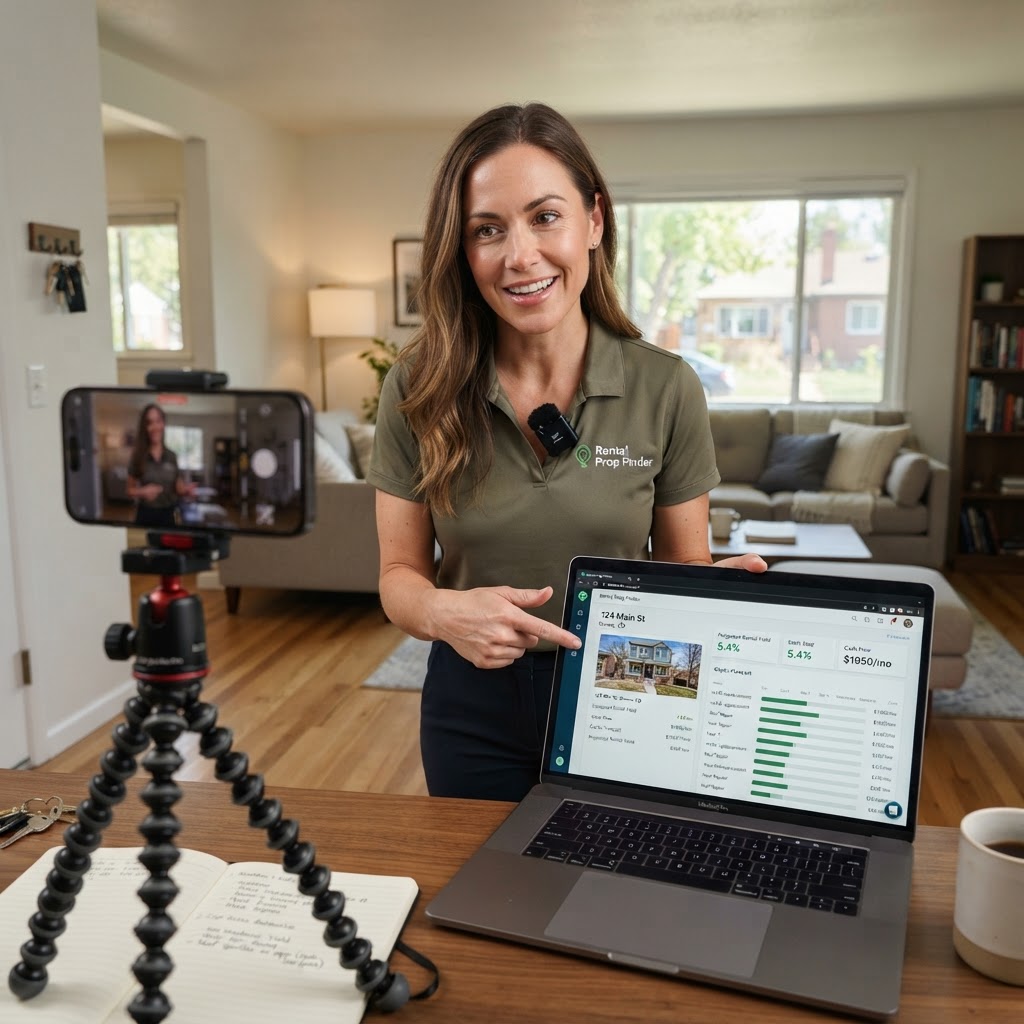
Rental Prop Finder provides the infrastructure to make this high-level strategy accessible. By giving you instant access to cash flow projections, cap rate analysis, and detailed market data, the platform allows you to stop operating in the dark. You can easily analyze how potential upgrades influence your DSCR and NOI, providing your investors with the clear, quantified reasoning they need to authorize major expenses.
When you approach property management with the precision of an analyst, you elevate your value proposition from a service provider to a strategic partner. This level of insight ensures that you are always one step ahead of maintenance needs and market changes, securing your reputation as a manager who truly knows how to optimize an asset for growth.
Recommendation for Scaling Your Portfolio Management
If you are ready to stop managing properties through guesswork and start leveraging predictive data, begin by integrating a professional-grade analytics tool into your workflow. Test your current assumptions against real-time market data to identify the next best move for your investors. Consistency in this process builds long-term investor loyalty and creates a resilient, high-performing portfolio that stands the test of time.
Track Rental Property Performance
Important Disclaimer
Rental Prop Finder provides property and rental market data for informational and analytical purposes. Estimates and projections are not guarantees of rent, cash flow, financing, occupancy, or investment performance. Users should independently verify property details, expenses, local regulations, and financial assumptions before making an investment decision.