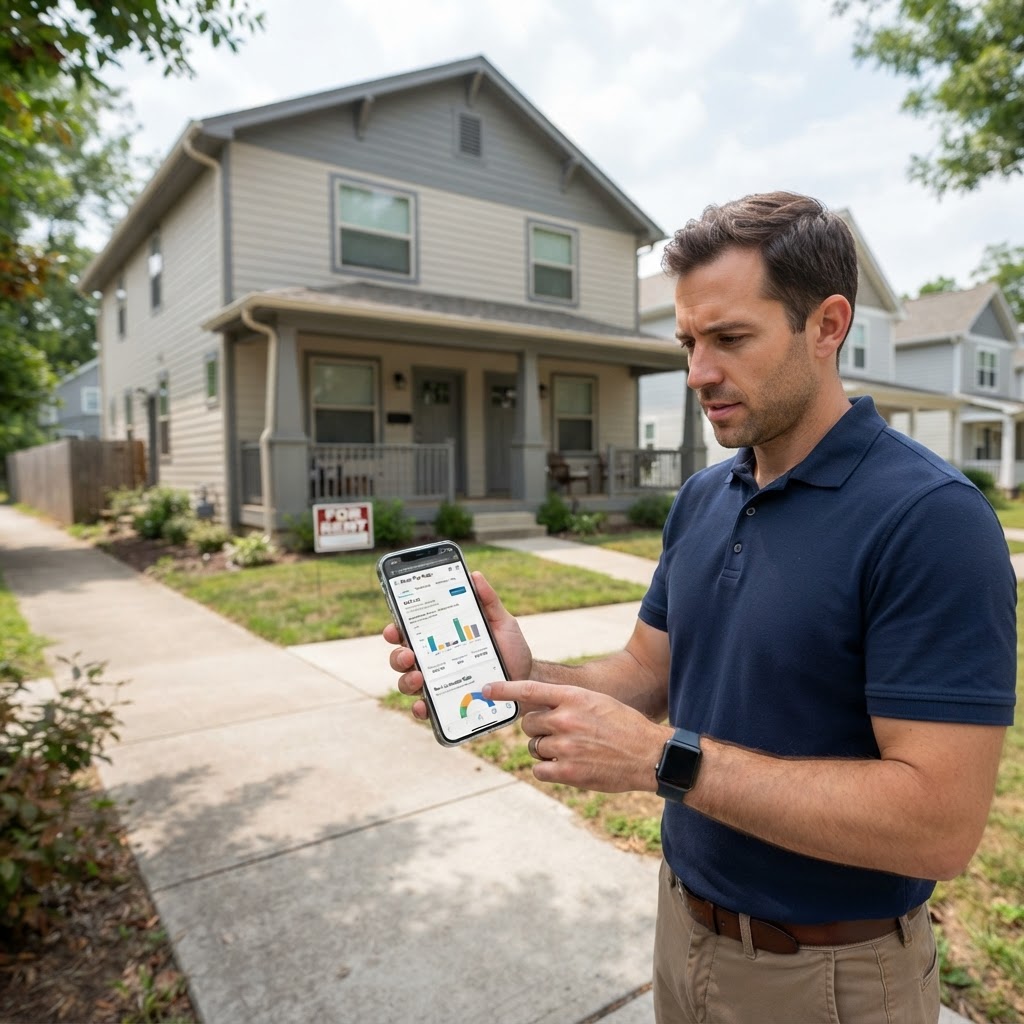
The New Standard in Investor-Broker Collaboration
In the fast-paced world of real estate, the distance between a promising property lead and a closed deal is often measured by the clarity of the underlying data. Historically, the process of reviewing an investor's portfolio has been manual, fragmented, and prone to communication breakdowns. Investors often feel they are flying blind without up-to-date insights, while brokers struggle to pull together disparate spreadsheets just to justify a single acquisition move. The emergence of AI-powered portfolio health dashboards has shifted this dynamic, turning what was once a reactive, quarterly headache into a proactive, continuous conversation about value and growth.
By leveraging technology that centralizes performance metrics, brokerages are finding that they can do more than just facilitate transactions—they can become essential strategic partners. When both sides of the table are looking at the same real-time data, the noise of speculation is replaced by the signal of measurable performance. This transition is not just about efficiency; it is about building the kind of institutional-grade trust that turns one-off buyers into lifetime clients.
The Friction of Traditional Portfolio Management
The fundamental challenge in modern brokerage is the latency of information. If an investor has to wait for a manual update to know how their rental units are performing against current market conditions, they are inherently working with stale information. This often leads to missed opportunities, as investors might hold onto underperforming assets too long or fail to see a timely opportunity to pivot due to changes in local rent indices.
Furthermore, the "spreadsheet fatigue" that plagues most investor-broker relationships is real. When data lives in silos—with one set of numbers in a property management report, another in a tax filing, and a third in a broker’s informal email—the probability of error increases. This friction often prevents investors from scaling effectively because they cannot trust the data they are seeing. The primary objective for forward-thinking brokerages is to replace this guesswork with high-fidelity, actionable intelligence that creates a common language for both parties.
Why Real-Time Visibility Matters
Transparency is the cornerstone of any high-performing investment partnership. When an investor has constant, real-time access to the health of their assets, they are more likely to listen to professional guidance from their broker. An AI-powered dashboard acts as a neutral arbiter of truth, showing clearly where cash flow metrics meet or fall short of internal benchmarks. This objective stance allows the broker to pivot from being an "agent" to being an "advisor."
Moreover, by utilizing automated portfolio performance audit techniques, brokers can identify potential issues before they become crises. Whether it is identifying a creeping expense ratio or a shift in market vacancy rates, proactive alerts allow for adjustments long before an asset becomes a liability. This level of service is what separates a top-tier brokerage from the rest of the pack in a highly competitive market environment.
Transforming Workflow Through Data Integration
Integrating advanced analytics into daily operations requires more than just a software license; it requires a commitment to a new way of working. The most successful brokerages establish a routine where the dashboard serves as the agenda for every review session. By starting each meeting with a review of key KPIs—such as DSCR, cap rate, and cash flow projections—brokers can anchor the conversation in reality rather than aspiration.
This workflow also empowers brokers to perform predictive rental yield analysis for brokerages, allowing them to project how current holdings might perform under different economic scenarios. By stress-testing these portfolios, brokers can suggest divestment or acquisition strategies that are mathematically sound. It transforms the relationship from a transactional interaction into an ongoing, data-driven partnership aimed at long-term wealth preservation and growth.
---
Ready to change how you work with your clients? Explore Rental Prop Finder to see how integrated analytics can elevate your next portfolio review.
---
Leveraging AI for Smarter Portfolio Health Monitoring
AI isn't just about speed; it's about depth of analysis that would be impossible for a human to calculate manually across dozens of properties. AI-powered portfolio health dashboards can process Fair Market Rent (FMR) data, regional vacancy trends, and localized expense inflation to give a comprehensive view of an investor's standing. This allows for hyper-local adjustments that reflect the reality of specific neighborhoods rather than generalized market statistics.
When a brokerage uses these tools, they can categorize properties by risk and yield potential. For an investor, this provides a clear "health score" for their portfolio, helping them prioritize which assets to renovate, hold, or sell. This categorization is instrumental in removing emotional bias from the investment process, ensuring that the investor’s capital is always allocated to the most efficient properties available.
Practical Example: From Audit to Action
Consider a scenario where an investor owns a portfolio of five single-family rentals. The broker pulls up the portfolio health dashboard during a quarterly check-in. The AI flags one specific property that has seen its expense ratio climb by 15% over the last two quarters, largely due to maintenance costs outpacing market averages.
Instead of a vague conversation about "doing better," the broker presents the dashboard's analysis. They compare the property’s current cash flow against a range of similar assets in the area. The broker then suggests a two-pronged approach: perform a targeted upgrade to increase the rental ceiling, or consider a 1031 exchange into a property with a stronger NOI profile. Because the advice is rooted in clear, visual data, the investor feels confident in the decision-making process. The dashboard doesn't guarantee a specific return, but it provides the empirical evidence necessary for the investor to make an informed choice with minimized ambiguity.
How Rental Prop Finder Supports Your Strategy
Rental Prop Finder was designed to be the bridge between raw property data and high-level investment strategy. Our platform provides the comprehensive toolset needed to evaluate potential and existing assets, including rental property analysis that touches on cash flow, cap rate, and DSCR. With built-in features for portfolio tracking and market-wide comparisons, our dashboard gives you the ability to monitor the pulse of an entire investment strategy in a single view.
We provide the data layer that brokers and investors need to communicate effectively. Whether you are validating rental assumptions, analyzing Fair Market Rent (FMR) trends, or stress-testing a prospective acquisition, our tools help provide the clarity you need to move with conviction. It is not about replacing human judgment; it is about providing the tools that make that judgment faster, more accurate, and ultimately more profitable for the long term.
The Path Forward
The future of real estate investing belongs to those who embrace transparency and leverage technology to deepen their advisory relationships. As the industry evolves, the expectation for real-time, data-backed reporting will only increase. Brokerages that implement AI-powered dashboard workflows today will be the ones that retain their best clients through market cycles, while others struggle to keep pace with the digital transformation.
We recommend that investors and brokers begin by centralizing their existing data sets into a unified view. Start small by auditing your current holdings for performance leaks, then move toward predictive modeling for new acquisitions. By consistently reviewing these metrics, you can ensure that every decision is aligned with the investor's long-term financial goals.
Start Finding Rental Opportunities
Important Disclaimer
Rental Prop Finder provides property and rental market data for informational and analytical purposes. Estimates and projections are not guarantees of rent, cash flow, financing, occupancy, or investment performance. Users should independently verify property details, expenses, local regulations, and financial assumptions before making an investment decision.